Involving volunteers and connecting communities
This toolkit is designed to support heritage organisations to involve volunteers in inclusive, and sustainable ways.
Developed through the Pathways to the Past: Involving volunteers and connecting communities in Neath Port Talbot to their heritage project, this toolkit is rooted in practical learning from working alongside heritage organisations, community partners, and citizens across the County Borough of Neath Port Talbot.
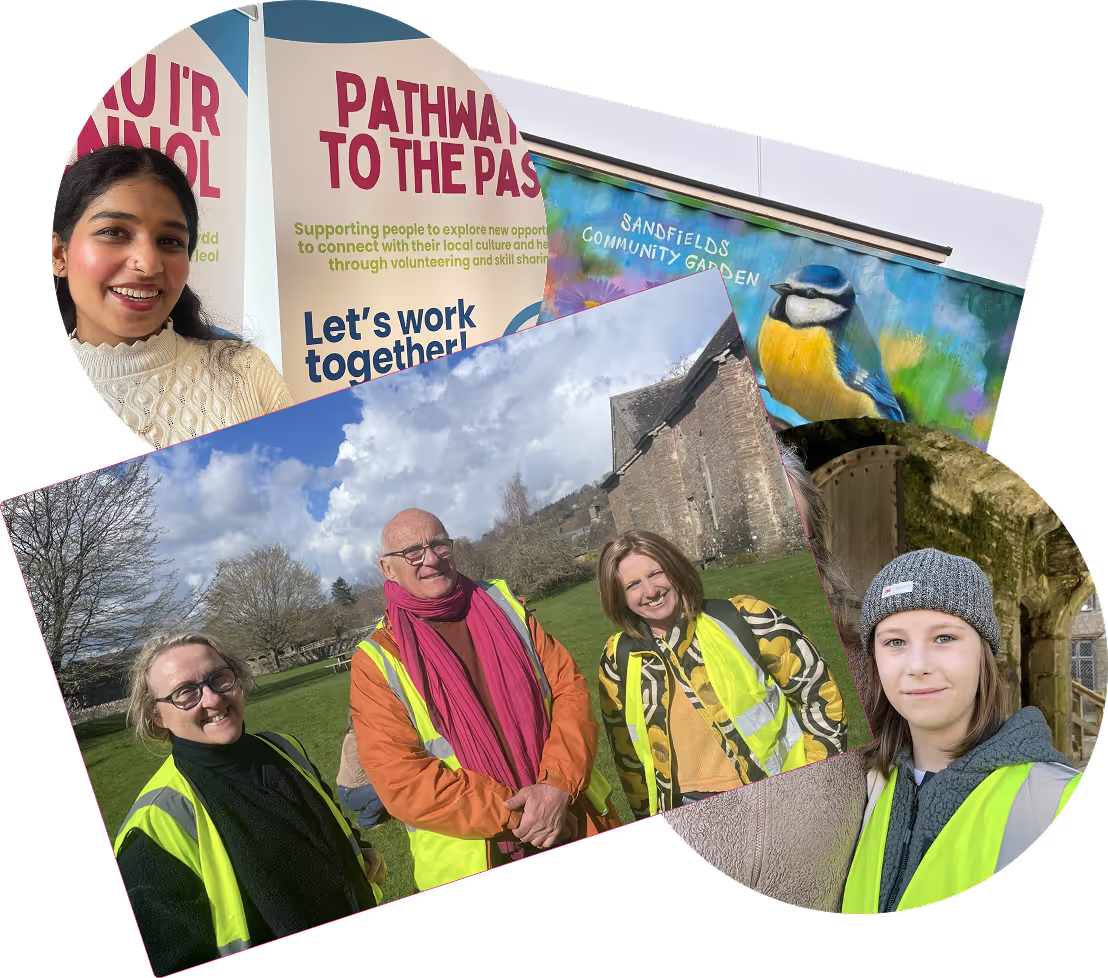


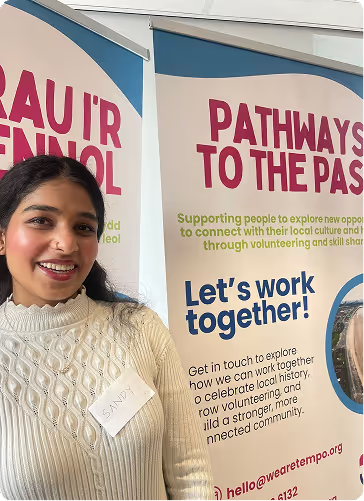
“Volunteering works best when it is built on reciprocity, inclusion, and connection. Developing approaches together empowers more people to contribute, to belong and to thrive. In this toolkit, we share real practice and lessons learned from the Pathways to the Past project to empower future projects.”
Rachel Gegeshidze

using the toolkit

About this toolkit
This toolkit is designed to support heritage organisations to involve volunteers in inclusive, and sustainable ways.
Developed through the Pathways to the Past: Involving volunteers and connecting communities in Neath Port Talbot to their heritage project, this toolkit is rooted in practical learning from working alongside heritage organisations, community partners, and citizens across the County Borough of Neath Port Talbot.
It is designed to help organisations:
- Recruit and retain volunteers of all ages and backgrounds
- Broaden participation beyond to underrepresented groups
- Build long-term relationships with communities born out of greater confidence and sense of belonging
- Create flexible, accessible, and meaningful opportunities to volunteer
- Develop a sustainable volunteer base for the future
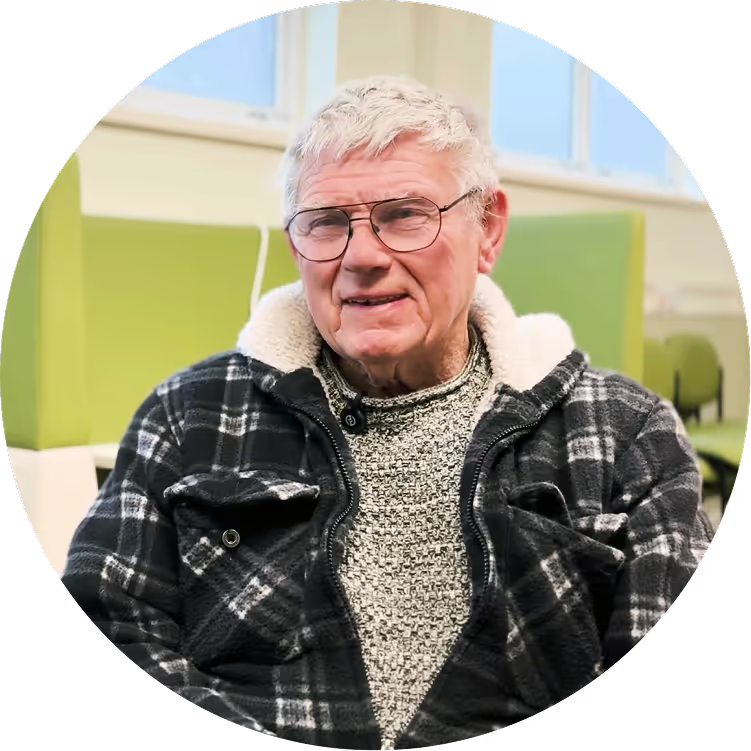
“Friendships is fantastic here. You can’t beat it. It’s the groups that’s come together that have made a community for us, which has been ten times lost over the years, but have now come back in the library and in the garden.”
Alan Roberts, Sandfields Garden
barriers to volunteering
As part of the Pathways to the Past project, we gathered feedback from existing volunteers and community members about what can make it di cult for people to get involved or to continue volunteering. This feedback provides valuable insight into the real and perceived barriers that shape participation in heritage volunteering.
The barriers identi ed highlight that challenges are often interconnected, with practical, social, and structural factors reinforcing one another.

Engaging People Where They Are
Tempo works alongside community groups, local services, and trusted organisations to connect with people in places they already feel comfortable. This might include community centres, housing providers, health services, youth groups, or local charities.
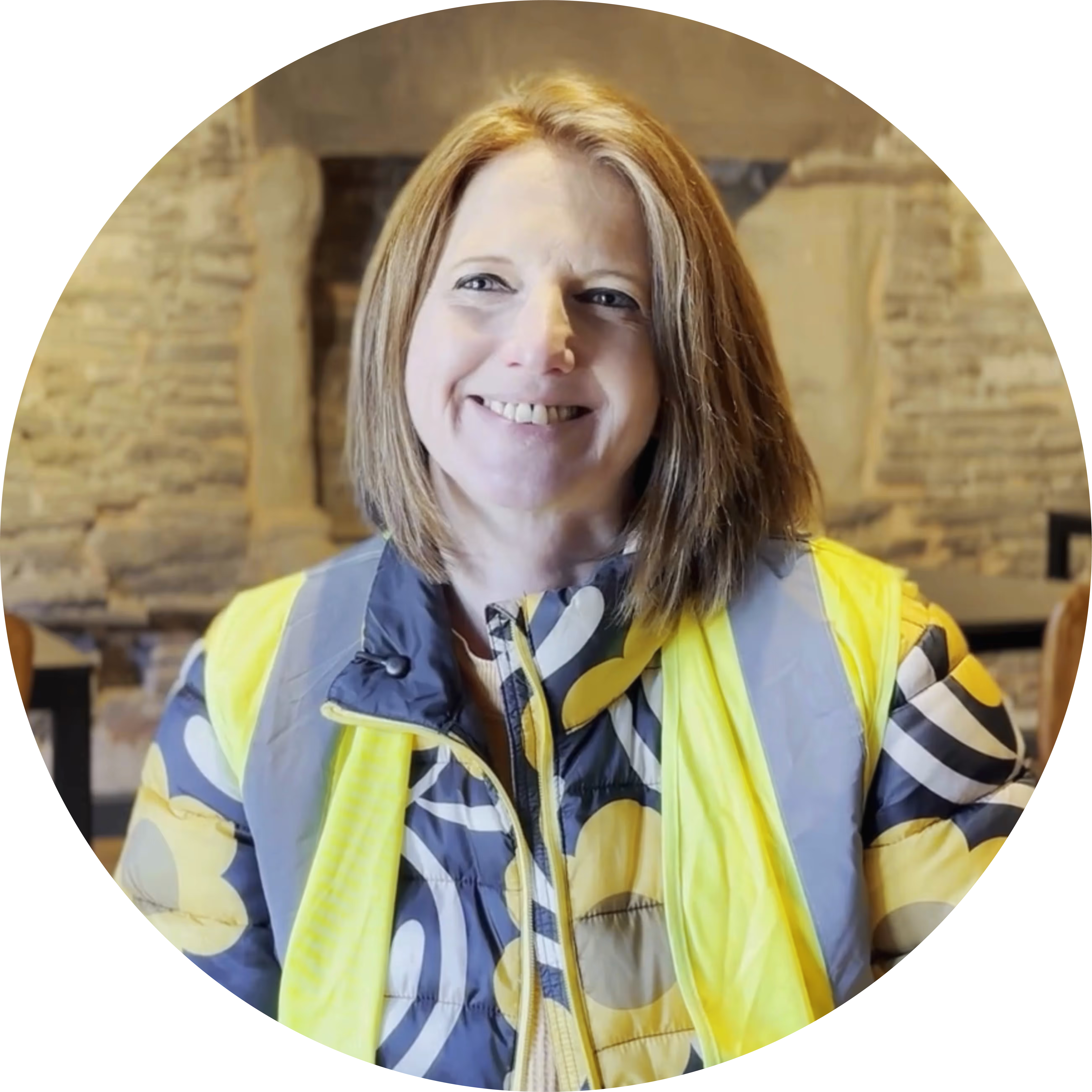
“The impact the club has had on the children, I think, is developing a keen sense of the world around them. It’s giving them condence, it’s team building skills, but also learning about their community and broader communities too.”
Harriet Eaton, Young Archaeologists Club
in summary
By focusing on recognition, flexibility, and connection, heritage organisations can build volunteering pathways that are resilient, inclusive, and rooted in community—supporting people to stay involved in ways that work for them.
It is designed to help organisations:
- Valuing people’s time and contributions
- Recognising skills, passions, and interests
- Co-designing opportunities that feel meaningful
- Using Time Credits to reinforce reciprocity and inclusion
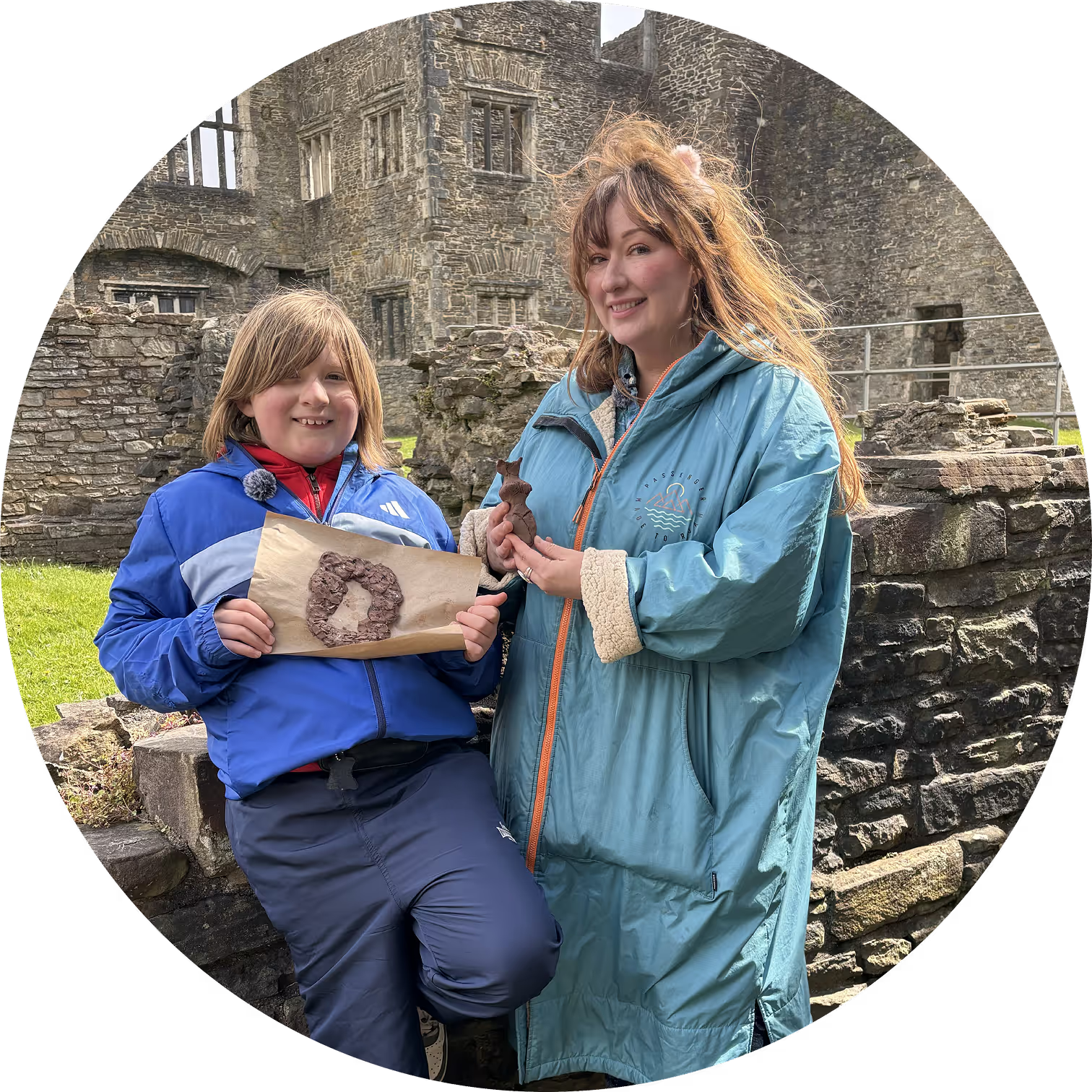
“It’s been a really wonderful day. It’s felt really, really wholesome. And it’s the rst time we’ve come across these events, so we’ll denitely come again. It’s really, really well run. And everyone’s bringing really good energy. It’s been really lovely.”
Susie Edwards, Neath Abbey
.svg)
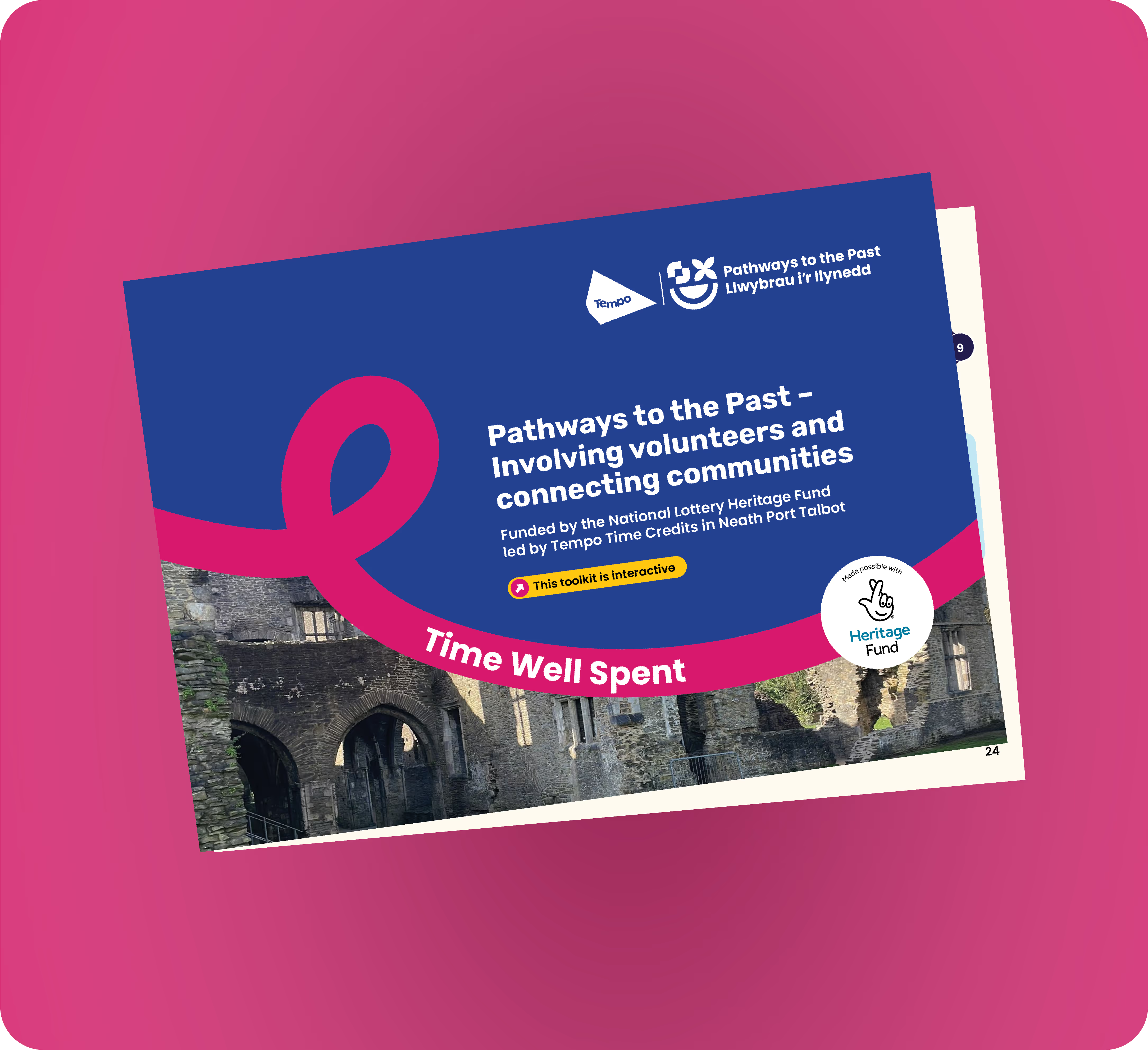
Involving volunteers and connecting communities
This toolkit is here to support you to take the next step—building inclusive pathways into heritage volunteering and creating connections that last.