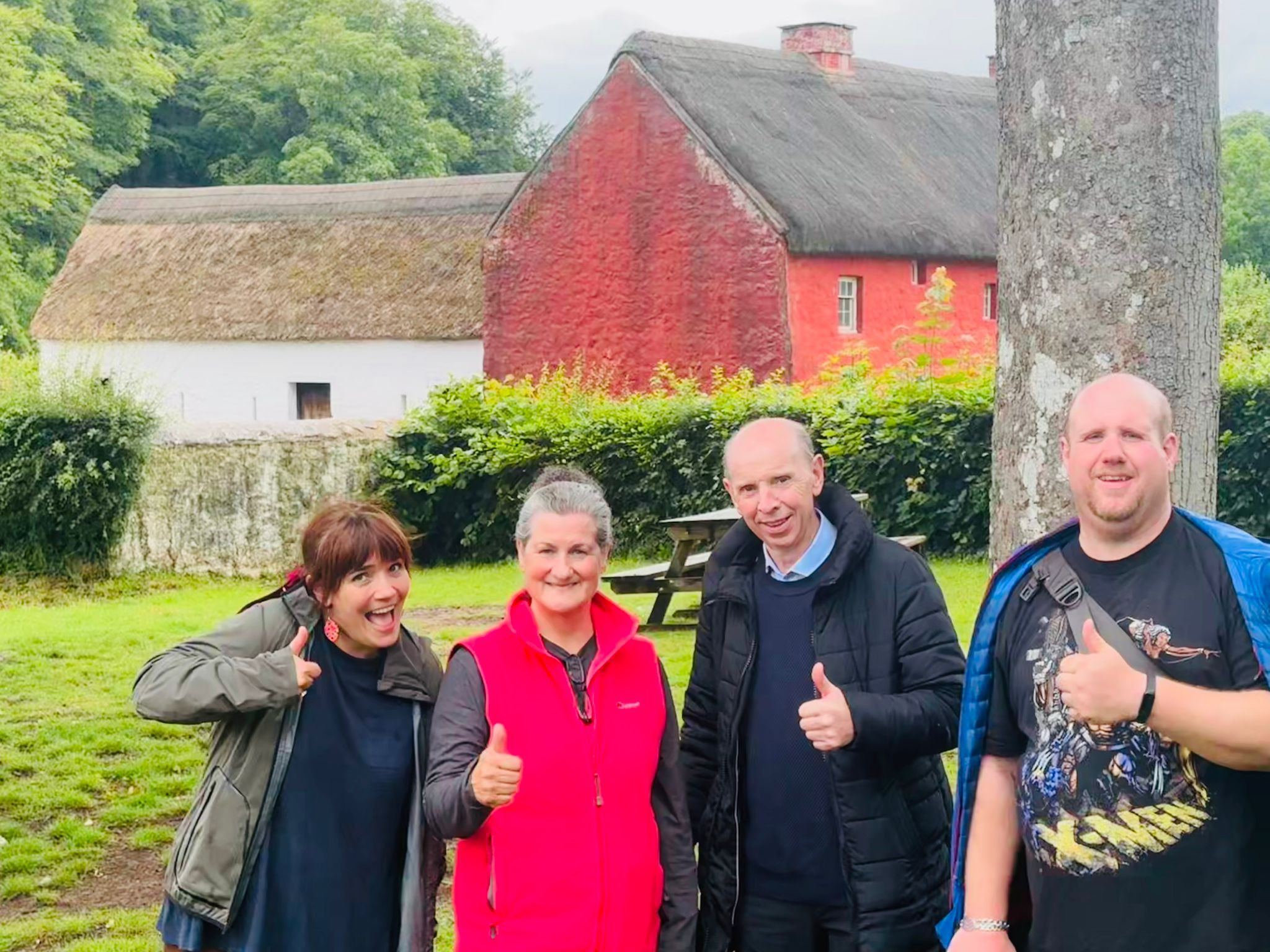
“Thank you, we couldn’t have done it without you.” That small moment lifts you, doesn’t it? Now imagine that feeling at the heart of volunteering.
Giving time already nurtures purpose, connection and a sense of belonging. Yet, something even more powerful happens when people feel truly valued. Their wellbeing flourishes, and so does their commitment.
To see why, we’ll begin with what volunteering does for the mind. From there, we’ll look at how reciprocity, such as Time Credits, deepens those gains. Finally, we’ll turn to practical ways your organisation can look after its volunteers’ wellbeing.
Here’s Why Volunteering Can Support Your Mental Health
Volunteering can support wellbeing through threeeveryday experiences:
Purpose: Seeing the difference you make canbuild confidence and give your week meaning, whether you’re welcoming newcomersor restoring a community garden.
Connection: Working alongside familiar facescreates opportunities for conversation, friendship and a sense of belonging.
Less isolation: Having somewhere to go andpeople to spend time with can make social contact a regular, welcome part oflife.
These volunteering benefits show up in UK evidence. In NCVO’s Time Well Spent 2023 survey, 87% of recent formal volunteers reported increased social connection, while 75% said volunteering improvedtheir mental health and wellbeing.
However, the benefits are not automatic. When responsibilities keep growing, and support is thin, meaningful work can become draining. The same survey found that 24% felt that their organisation placed unreasonable expectations on them.
Having a purpose matters, but so does feeling comfortable saying, “That’s enough for today.”
Loneliness tells a similar story. A 2025 randomised trial in Hong Kong involvedlonely adults aged 50 to 70. After training, participants volunteered by telephone for at least two hours a week over six months. Their loneliness decreased more than that of a control group.
Here’s the catch, though. By 12 months, most benefits were no longer evident acrossthe volunteering group. However, those who continued volunteering for more thantwo hours a week reported less loneliness than those who didn’t maintain theirinvolvement. This suggests that ongoing volunteering may help sustain thegains.
That raises a bigger question: what helps peoplestay involved and feel supported?
Feeling Valued Deepens the Benefits
It feels good to make a difference. And when someone notices the care and effort you’ve put in, that feeling can stay with you. Evidence suggests that feeling appreciated can strengthen the wellbeing benefits of volunteering.
Tempo Time Credits put that appreciation intopractice. Volunteers earn credits they can use for activities and experiences,from learning something new to enjoying a family day out. It’s a thank you thatgives people something to look forward to, too.
Thisis where reciprocity adds something special. After helping at a community project, a volunteer might use their credits to enjoy a family outing they would otherwise struggle to afford. The pleasure of contributing carries into time spent together, new memories and another reason to feel connected.
Tempo’s 2025 Impact Report offers an encouraging picture: 65% of survey respondents said their mental health had improved, while 64% felt less isolated and lonely. These personal accounts cannot tell us how Time Credits compare with other approaches, but they offer a valuable glimpse into participants’ experiences.
The practical lesson is simple: giving and receiving can sit comfortably together.
Feeling valued comes through in everyday moments: someone remembers to check in, listens to an idea or makes it easy to take a break. Here are five ways to build that care into your volunteers’ experience:
Let people know the difference they make. A simple “You helped our new members feelwelcome today” makes appreciation personal. Notice the quieter contributions, too, and remember that some people prefer a private thank you.
Makeroom for life outside volunteering. Agree on manageable hours together and reassure people that they can turn down extra tasks or take time away. When someone usually says yes, it’s especially important to check that they have thecapacity.
Ask how they’re doing, beyond the to-do list. “How is this fitting around everything else atthe moment?” can open a useful conversation. After a difficult session, offertime to talk without pressing anyone to share more than they want to.
Help coordinators feel confident offering support. Knowing how to listen and where to turn can make a difficult conversation feel more manageable. For example, Mental Health ChampionTraining can help coordinators develop those skills and understand the boundaries of their role.
Show volunteers their voice matters. Ask what would make their experience better, then let them know what you’ve changed. Alongside tracking hours and attendance, ask whether peoplefeel included, supported and comfortable saying no.
In Closing
Volunteering can offer purpose, friendship and the pleasure of making a difference. When organisations recognise that contribution and make room for volunteers’ own needs, they create more opportunities for wellbeing to grow.
A heartfelt thank you is a lovely beginning. Following it with choice, care and opportunities to enjoy life gives those words lasting meaning.
Blog written by PMAC (Professional Membership Association for Community), in collaboration with Tempo.